Pros Brooklyn Locksmiths Service Team
Local locksmith team
May 21, 2026 11 min read
Running a storefront on Atlantic Avenue or managing an office suite near MetroTech Center means your locks are the first and last line of defense against loss, liability, and disruption. Yet most Brooklyn business owners only think about their locks after something goes wrong — a break-in, a disgruntled ex-employee who still has a key, or a late-night lockout that brings an entire operation to a halt. This checklist is designed to change that. Before you call a commercial locksmith or sign off on any hardware upgrade, use these questions and steps to make sure you are getting the right work done, at the right security level, for your specific space.
Whether you manage a single retail unit in Sunset Park, a multi-suite office building in Downtown Brooklyn, or a warehouse off the BQE in Greenpoint, the core principles are the same: know your vulnerabilities, ask the right questions, and work with a qualified team that confirms an exact price before touching a single cylinder. Here is exactly how to do that.
## Start With a Security Audit Before Any Commercial Locksmith Work Begins
Before ordering new hardware or rekeying anything, walk every entry point with your locksmith and document what you have. A thorough audit covers every exterior door, every interior door that separates sensitive areas (server rooms, cash offices, stock rooms), all emergency exits, and any windows with locking mechanisms. For Brooklyn storefronts — especially those with older prewar building stock common in neighborhoods like Park Slope, Crown Heights, and Bay Ridge — you will often find a mix of mortise lock cylinders, rim locks, and door knob lock sets installed by different tenants over decades. That patchwork creates security gaps that are invisible until someone exploits them. A skilled locksmith will identify mismatched hardware, worn cylinders, and doors whose frames have shifted enough to defeat even a good lock.
Ask your locksmith to rate each entry point on three factors: the quality of the existing lock body, the condition of the door frame and strike plate, and whether the current hardware meets current commercial-grade standards. This gives you a prioritized to-do list rather than a bill for replacing everything at once. Document the findings in writing so you have a reference point for future audits.
## Mortise Lock Upgrades: The Core of Any Serious Commercial Security Plan
If there is one hardware conversation every Brooklyn business owner needs to have with their commercial locksmith, it is about mortise locks. A mortise lock is set directly into a pocket — the mortise — cut into the edge of the door, making it far more resistant to kick-in and pry attacks than a standard cylindrical lock or a basic door knob lock. For high-traffic commercial doors, mortise lock sets are the professional standard, and for good reason: they integrate the latch, deadbolt, and cylinder into a single robust unit rather than relying on surface-mounted hardware that can be sheared off. British and international commercial standards such as the five lever mortice lock with a BS 3621 standard represent the benchmark for this category — BS 3621 certification means the lock has been independently tested to resist picking, drilling, and manipulation to a defined level, a useful reference point when evaluating any mortise lock body regardless of where you are sourcing it.
When your locksmith recommends a mortise lock upgrade, ask specifically about anti-drill plates, hardened steel bolts, and cylinder quality. A quality euro-profile or ANSI-grade cylinder inside a commercial mortise body is what makes the system hold up. Also ask whether the door frame and strike plate will be reinforced at the same time — a heavy-duty mortise lock set into a weak frame is only as strong as its weakest point. Our team installs and services mortise lock systems across Brooklyn zip codes including 11201, 11211, 11215, 11216, 11220, 11226, and beyond, and we can walk you through which body and cylinder combination makes sense for your door thickness, traffic volume, and insurance requirements.
## Master Key Systems: What to Ask Before You Authorize Any Rekeying
A master key system lets you assign different levels of access across your building without issuing a different key for every door. A floor manager gets access to their floor; a building owner or facilities director holds the master that opens everything. Done right, it is an elegant solution. Done wrong — with a poorly mapped key hierarchy or cheap cylinders — it creates a single point of failure that a skilled intruder can exploit. Before authorizing any master key work through your commercial locksmith service, ask these specific questions: How many levels of access does the system support? Are the cylinders high-security, meaning they resist duplication without your authorization? Is the key blank patented or restricted so that a hardware store cannot cut a copy without your permission? What is the process if a master key is lost? A professional locksmith should be able to answer all of these without hesitation and provide a written key control policy.
Also ask about the rekeying schedule. Any time an employee with key access leaves the business — voluntarily or otherwise — that portion of the system should be rekeyed. Many Brooklyn business owners skip this step to save time and end up with an unknown number of working keys in circulation. The cost of rekeying one or two cylinders is always lower than the cost of a commercial break-in. If you are unsure where to start, call us at (347) 474-0295 and we will map out a master key plan sized to your actual building layout.
## How to Verify You Are Working With a Legitimate Commercial Locksmith
How do I know if a locksmith is legit? This is one of the most common questions we hear, and it matters more for commercial work than for a simple residential lockout because the stakes — your inventory, your staff, your client data — are higher. Here is a practical checklist for vetting any locksmith before work begins. First, they should arrive in a clearly marked vehicle and present identification without being asked. Second, they should ask for proof that you are authorized to request work on the property — a lease, a business license, or your name on the building management account. Any locksmith who starts work without verifying your right to access is a red flag, not a convenience. Third, they should provide a written quote before any work begins, not after. The final price should account for the factors that actually drive cost: the type and grade of lock hardware involved, the complexity of the job (a five-point mortise lock replacement takes longer than swapping a door knob lock cylinder), travel to your Brooklyn location, time of day for emergency calls, and any parts that need to be sourced. We confirm an exact up-front price on every job — no surprises on the invoice.
Fourth, check whether the business is insured. An insured locksmith protects you if something goes wrong during the job — a door frame that cracks during a difficult mortise pocket installation, for example. Fifth, trust your gut on communication. A qualified locksmith explains what they are doing and why. If someone is vague about the hardware they are installing or unwilling to show you the parts before they go in, that is a problem. Our team is experienced, trained, and insured, and we are happy to answer every question on this list before we pick up a single tool.
## Your Pre-Work Checklist: 25 Services to Discuss With Your Brooklyn Commercial Locksmith
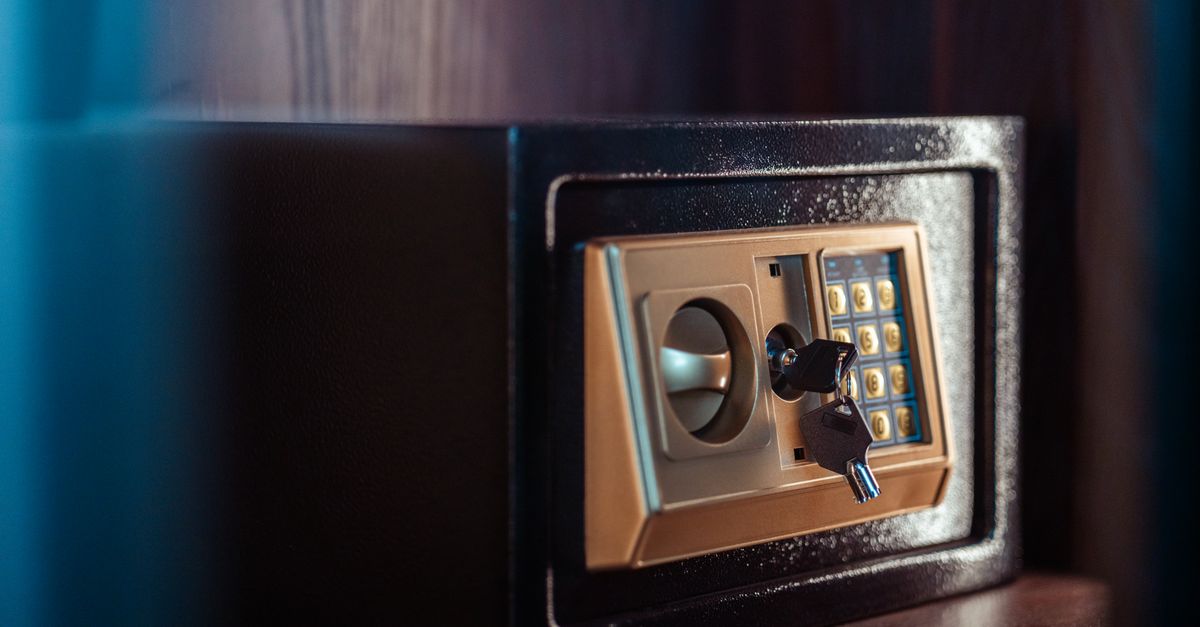
Not every business needs every service, but every business owner should know what is available before deciding what to skip. Here is a specific list of commercial locksmith services to bring up during your consultation: mortise lock installation and replacement, mortise lock cylinder rekeying, high-security cylinder upgrades, master key system design and installation, grand master and sub-master key hierarchies, restricted key duplication control programs, electronic keypad lock installation, keycard access control system installation, proximity fob access setup, exit device (panic bar) installation and service, door closer installation and adjustment, reinforced strike plate and door frame repair, deadbolt installation on commercial-grade doors, door knob lock replacement on interior office doors, sliding door and storefront gate lock service, roll-up security gate lock repair, padlock and hasp installation for storage areas, lock rekey after employee termination, emergency lockout response for commercial properties, broken key extraction from commercial cylinders, lock de-icing service for exterior doors in winter, safes and vault combination changes, safe installation and anchoring, filing cabinet and desk lock replacement, and security camera integration consultation (coordinating lock and access points with your camera coverage zones). This list is a conversation starter — your specific Brooklyn building may need five of these or fifteen, and a good locksmith will be honest about which ones add real security value for your situation and which ones you can defer.
One scenario worth highlighting: emergency commercial locksmith calls. If you arrive at your Flatbush retail location at 6 a.m. and the overnight cleaning crew has accidentally locked a set of keys inside, or if a lock cylinder has been tampered with overnight and will not accept any key, you need a team that is actually available — not one with a voicemail box. We run 24/7 mobile service across Brooklyn precisely because commercial emergencies do not follow business hours. For an emergency call, factors like time of day and travel distance will influence the final quote, which we confirm before any work begins. Reach us any time at (347) 474-0295.
Frequently asked questions
How do I know if a locksmith is legit before I let them work on my business?+
Ask for ID and proof of insurance before any work starts. A professional locksmith will also ask you to verify that you are authorized to request work on the property — this is a sign of integrity, not an inconvenience. They should provide a written, itemized quote before touching anything, explain what hardware they plan to install, and be willing to show you the parts. If a locksmith resists any of these steps or pressures you to approve work without a clear price, do not proceed. Our team follows this verification process on every commercial job in Brooklyn.
What is a locksmith call-out fee and how is pricing determined for commercial work?+
A call-out fee, sometimes called a service or dispatch fee, covers the cost of getting a trained locksmith to your location. For commercial locksmith work in Brooklyn, the total price is shaped by several factors: the type and security grade of the lock hardware involved (a commercial mortise lock job is more involved than replacing a door knob lock cylinder), the time of day (emergency overnight calls reflect the cost of 24/7 availability), travel distance to your specific Brooklyn zip code, and the parts required for the job. We never quote a price and then inflate it once work is underway — every job gets a confirmed, exact price before we begin.
How do I change or upgrade a commercial door lock without disrupting my business operations?+
The key is planning the work around your operating hours and access needs. For most Brooklyn storefronts and offices, a skilled locksmith can replace a mortise lock body or rekey an entire suite of cylinders in a single visit, typically during off-hours or a low-traffic window you choose. Before the work starts, identify all keyholders who need to be issued new keys, confirm which doors are on the master key system, and have a spare-key plan ready for staff arriving early the next day. If you are asking how to change a commercial door lock yourself — the honest answer is that commercial-grade hardware, especially mortise lock bodies, requires proper tools and knowledge of door prep dimensions. An improper installation can leave a door that does not latch correctly or a lock that fails under pressure. Leave it to an experienced commercial locksmith and get it done right the first time.
How much does an emergency locksmith cost near me in Brooklyn, and how do I find the right one?+
Cost for emergency commercial locksmith service in Brooklyn depends on the factors mentioned above — lock type, time of call, location within the borough, and parts needed. We confirm the exact price upfront before any work begins, so you are never guessing. As for finding the right locksmith: focus on verified insurance, a clear pricing process, and a team that answers the phone when you actually need them. We are a 24/7 mobile operation serving all of Brooklyn — from Williamsburg to Canarsie, from DUMBO to Bensonhurst — and we can be reached any time at (347) 474-0295.