Pros Brooklyn Locksmiths Service Team
Local locksmith team
Sep 10, 2026 12 min read
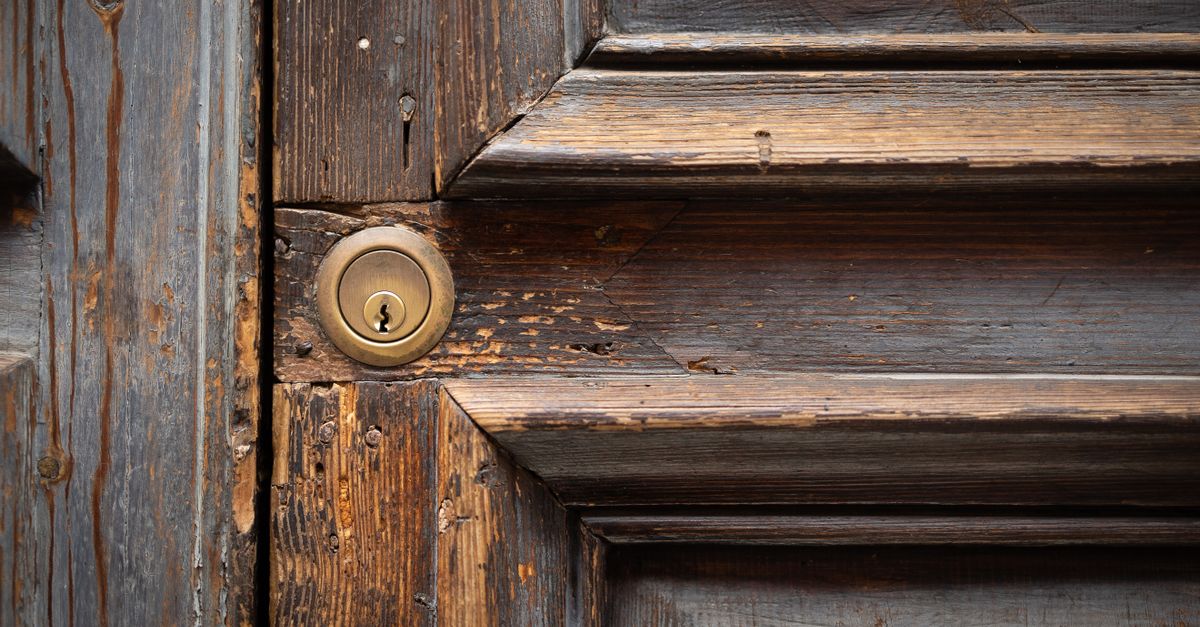
Walk down any block in Park Slope, Carroll Gardens, or Bedford-Stuyvesant and you will notice something the rest of New York City rarely has in such abundance: original brownstone rowhouses with their tall wooden doors, ornate escutcheons, and the satisfying thunk of a heavy, old-fashioned lock. That sound is almost always a mortise lock — a mechanism that has been doing its job in Brooklyn homes for well over a century. If you have ever wondered why your door lock looks so different from the simple knob-and-deadbolt setup on a newer apartment, or whether you should repair what you have, rekey it, or swap it out entirely, you are in the right place.
This guide breaks down exactly how mortise locks differ from modern cylindrical locks, why Brooklyn brownstones rely on them so heavily, and how to make the smartest decision for your specific door and security needs. Whether you are dealing with a sticky bolt on a Corbin Russwin unit from the 1940s or eyeing a new Baldwin mortise lock set for an exterior door renovation, the information below will help you move forward with confidence.
## What Is a Mortise Lock — and Why Brooklyn Rowhouses Are Full of Them
A mortise lock is a complete locking assembly that sits inside a deep, rectangular pocket — the mortise — cut into the edge of the door. The lock body houses the latch, the deadbolt, and sometimes a privacy or passage function all in a single integrated case. A separate mortise lock cylinder threads into the front of that case and translates the turn of your key into bolt movement. Because the mechanism is recessed into the door rather than surface-mounted, a mortise lock is extremely strong: there is no exposed hardware for a kick or pry to lever against, and the surrounding door material itself absorbs stress.
Brooklyn's rowhouse stock was built predominantly between the 1870s and the 1930s, when mortise locks were simply the industry standard for quality residential and light-commercial construction. Developers in Bed-Stuy, Crown Heights, and Cobble Hill specified them because the thick, solid-wood doors of that era were cut to accept them. Many of those original doors — and their locks — are still in service today. That longevity is a testament to the design, but it also means that when something eventually does wear out, you are working with hardware that requires real familiarity to service correctly.
## Mortise Lock vs. Cylindrical Lock: A Practical Side-by-Side
A cylindrical lock — the type you see on most modern apartment doors and virtually every new construction interior door — mounts through a round bore drilled into the face of the door. Installation is fast, parts are inexpensive, and almost any hardware store stocks replacements. The trade-off is structural: a cylindrical lock relies heavily on the door edge and strike plate for resistance, which is why a solid deadbolt is always recommended alongside it for exterior use. A mortise lock set, by contrast, combines latch and bolt functions in one reinforced body and is anchored through the full thickness of the door — giving it a significant edge in resistance to forced entry.
The practical implication for a Brooklyn homeowner is this: if your door already has a mortise pocket cut into it, replacing the whole assembly with a cylindrical lock is rarely the right move. You would be installing a less robust mechanism into a door that was engineered for something stronger, and you would be left with an oversized void in the door edge that requires filling and refinishing. In most cases, repairing or upgrading the existing mortise lock set is both the more secure and the more cost-effective path forward.
## Repair, Rekey, or Replace Your Mortise Lock — How to Decide
Repair is the right call when the lock body itself is mechanically sound but a single component has failed — a worn cam, a cracked tailpiece, a stiff mortise lock cylinder. Experienced locksmiths can source replacement internals for workhorse brands like Corbin Russwin mortise locks and Baldwin mortise locks, both of which have long histories in New York residential buildings. If your lock turns reluctantly, the bolt does not fully extend, or the cylinder feels loose in its housing, those are repair scenarios. Do not let a small mechanical issue go unaddressed; a partially functioning lock on a Park Slope parlor floor is not a lock at all. If you are unsure where to start, call (347) 474-0295 and a member of our team can walk you through what we are seeing on similar hardware across Brooklyn every week.
Rekeying is the smart move when the lock mechanism works perfectly but the key control has been compromised — for example, after you buy a property, end a tenancy, lose a key, or discover that a contractor still has a copy. Rekeying a mortise lock cylinder changes the internal pin configuration so that the old keys no longer work, while the lock body stays in place. It is faster and less invasive than full replacement and achieves the same security outcome when the hardware itself is in good condition. Replacement becomes necessary when the lock body is corroded beyond repair, when the door has been damaged around the mortise pocket, or when you are upgrading security significantly — say, switching from an older single-cylinder unit to a modern high-security or smart mortise lock that supports keyless entry alongside traditional keyed access.
## Smart Mortise Lock Upgrades and What Brooklyn Doors Can Actually Support
The smart mortise lock category has grown considerably, and it is worth understanding what is genuinely compatible with your door before you commit to a purchase. A smart mortise lock replaces or augments the cylinder and sometimes the entire lock body, adding Wi-Fi or Z-Wave connectivity, touchpad or app-based entry, and access logs — all useful features for a multi-unit brownstone, a short-term rental unit on Nostrand Avenue, or a homeowner who wants to let in a dog walker without cutting a key. The key compatibility question is whether the new smart unit matches your existing mortise lock set's case dimensions and backset measurements. Brownstone-era doors often have non-standard backsets or face-plate sizes that do not match off-the-shelf modern hardware, so a professional assessment before purchase saves significant frustration.
When a smart mortise lock is the right fit, the upgrade also solves a secondary problem common to older Brooklyn buildings: key proliferation. If four family members, a super, and a former tenant all have copies of the same key, smart access control lets you issue and revoke credentials digitally without touching physical metal. Our team installs, programs, and troubleshoots smart mortise lock systems across Brooklyn's zip codes — 11201, 11205, 11206, 11207, 11208, 11209, 11210, 11211, 11212, 11213, 11214, 11215, 11216, 11217, 11218, 11219, 11220, 11221, 11222, 11223, 11224, 11225, 11226, 11228, 11229, 11230, 11231, 11232, 11233, 11234, 11235, 11236, 11237, 11238, 11239, and beyond — so wherever your brownstone sits, we can get there.
## Choosing a Trustworthy Locksmith for Mortise Lock Work — and What to Expect on Cost
One of the most common questions homeowners ask is: how do I know if a locksmith is legit? Here is a straightforward checklist. A trustworthy locksmith arrives in a marked or identifiable vehicle, carries identification, and — critically — gives you a firm, confirmed price before any work begins, not after the job is done. They will ask for proof of ownership or residency before working on a lock, which is standard practice and actually a sign you are dealing with a responsible professional, not a red flag. Our team is insured, experienced specifically with Brooklyn residential hardware, and will never start work until you have approved the exact quote.
On cost: several factors shape what any locksmith job will run. The type of hardware involved matters — servicing a century-old Corbin Russwin mortise lock requires different parts and skill than installing a new Baldwin mortise lock set on an exterior door. Time of day is a factor, since emergency locksmith calls outside of business hours reflect the real cost of 24/7 availability. Travel distance within Brooklyn and the specific parts needed also play a role. What you should never encounter is a bait-and-switch number quoted over the phone that balloons once the technician arrives. We confirm an exact up-front price every time, full stop. There is no vague call-out fee structure — you know what you owe before we touch anything. For straightforward questions about what a job might involve, call (347) 474-0295 any time of day or night — we answer 24/7.
## The Full Range of Locksmith Services We Bring to Brooklyn Brownstones and Beyond
Our mobile team handles the complete spectrum of residential, commercial, and emergency locksmith work across Brooklyn. That includes: mortise lock repair and servicing, mortise lock cylinder replacement, mortise lock set installation on exterior doors, rekeying mortise and cylindrical locks, smart mortise lock installation and programming, high-security deadbolt installation, door knob lock replacement and repair, keypad and electronic lock installation, master key system design and setup, lock-out response for homes and apartments, lock-out response for businesses, car lockout service, car key replacement and programming, transponder key cutting, key fob replacement, ignition cylinder repair and replacement, broken key extraction from locks and ignitions, door frame and strike plate reinforcement, sliding door lock repair and installation, gate lock installation and repair, mailbox lock replacement, window lock installation, padlock and hasp installation, safe opening and combination changes, lock installation after a break-in or attempted forced entry, commercial access control system installation, tenant change-out rekeying for landlords and property managers, and emergency lock changes following lost or stolen keys. Whether it is a parlor-floor door on a landmarked Prospect Heights brownstone or a delivery gate on a Sunset Park commercial property, we carry the tools and parts to handle the job on the first visit.
## Can You Trust a Locksmith Who Knocks on Your Door — or Appears in a Search Result?
Brooklyn homeowners reasonably worry about this, and the concern is valid. The locksmith industry has its share of actors who post misleading local listings, quote one price on the phone and charge multiples of that amount on arrival, or use high-pressure tactics once they have a customer in a stressful lockout situation. Here is how to protect yourself: always confirm that the person who shows up matches who you called, ask to see identification, and insist on a written or verbally confirmed price before work begins. A skilled professional will have no objection to any of those requests. Be wary of anyone who cannot give you a clear answer before starting or who discourages you from asking questions.
Our approach at Pros Brooklyn Locksmiths is simple: we are a local Brooklyn operation, not a national call-center dispatching random technicians. When you call (347) 474-0295, you reach our team directly. We show up, assess the job, explain what we find — whether it is a worn mortise lock cam or a door frame that needs reinforcement — and give you a clear price. You decide. No pressure, no hidden additions, no post-job surprises. That transparency is what builds the kind of trust that has kept us busy from Bay Ridge to Bushwick, one brownstone at a time.
Frequently asked questions
What is a mortise lock and how is it different from a regular door knob lock?+
A mortise lock is a complete locking mechanism — latch, deadbolt, and hardware — housed inside a rectangular case that sits within a deep pocket cut into the door's edge. It is recessed and structurally integrated with the door in a way that a surface-mounted door knob lock or cylindrical lock is not. The result is a much stronger anchor point with less exposed hardware for a forced-entry attempt to grip or pry against. Brooklyn brownstones built before World War II almost universally used mortise locks because they were the high-quality standard of the era, and many of those original assemblies are still in daily use today.
How do I know if my mortise lock needs repair, rekeying, or full replacement?+
Repair is usually the answer when the lock body is mechanically failing — stiff bolt movement, a loose or cracked mortise lock cylinder, a worn internal cam — but the overall structure is intact. Rekeying is the right move when the hardware works fine but key control has been lost: after purchasing a home, ending a tenancy, or losing a key. Replacement makes sense when the lock body is severely corroded, the door has structural damage around the mortise pocket, or you are making a significant security upgrade such as adding a smart mortise lock. If you are unsure, a brief call or visit from an experienced locksmith can clarify which path makes sense without any obligation.
How much does an emergency locksmith cost in Brooklyn, and is there a call-out fee?+
The final price for any locksmith job in Brooklyn depends on several specific factors: the type of lock involved (a complex mortise lock set on an exterior door differs from a simple cylindrical lock), the time of day the call comes in, how far our team needs to travel within the borough, and which parts — if any — are needed to complete the job. Emergency locksmith calls outside of standard hours reflect the genuine cost of around-the-clock availability. What we do not do is quote one number on the phone and present a different one at your door. We confirm an exact price before any work begins, every time. Call (347) 474-0295 to get a clear answer for your specific situation.
Can a locksmith open a locked door without damaging it — and how does that work?+
Yes, in most cases an experienced locksmith can open a locked door non-destructively by using professional techniques appropriate to the specific lock type. For a mortise lock, that might involve working through the cylinder, using a pick or bypass tool suited to the mechanism, or addressing a specific failure point in the lock body. The goal is always to preserve the door, the frame, and the lock hardware wherever possible. Destructive entry — drilling or forcing — is a last resort used only when the lock is damaged beyond standard service or the situation is an emergency requiring immediate access. A skilled locksmith assesses the lock first and chooses the least invasive method that gets the job done safely and legitimately.